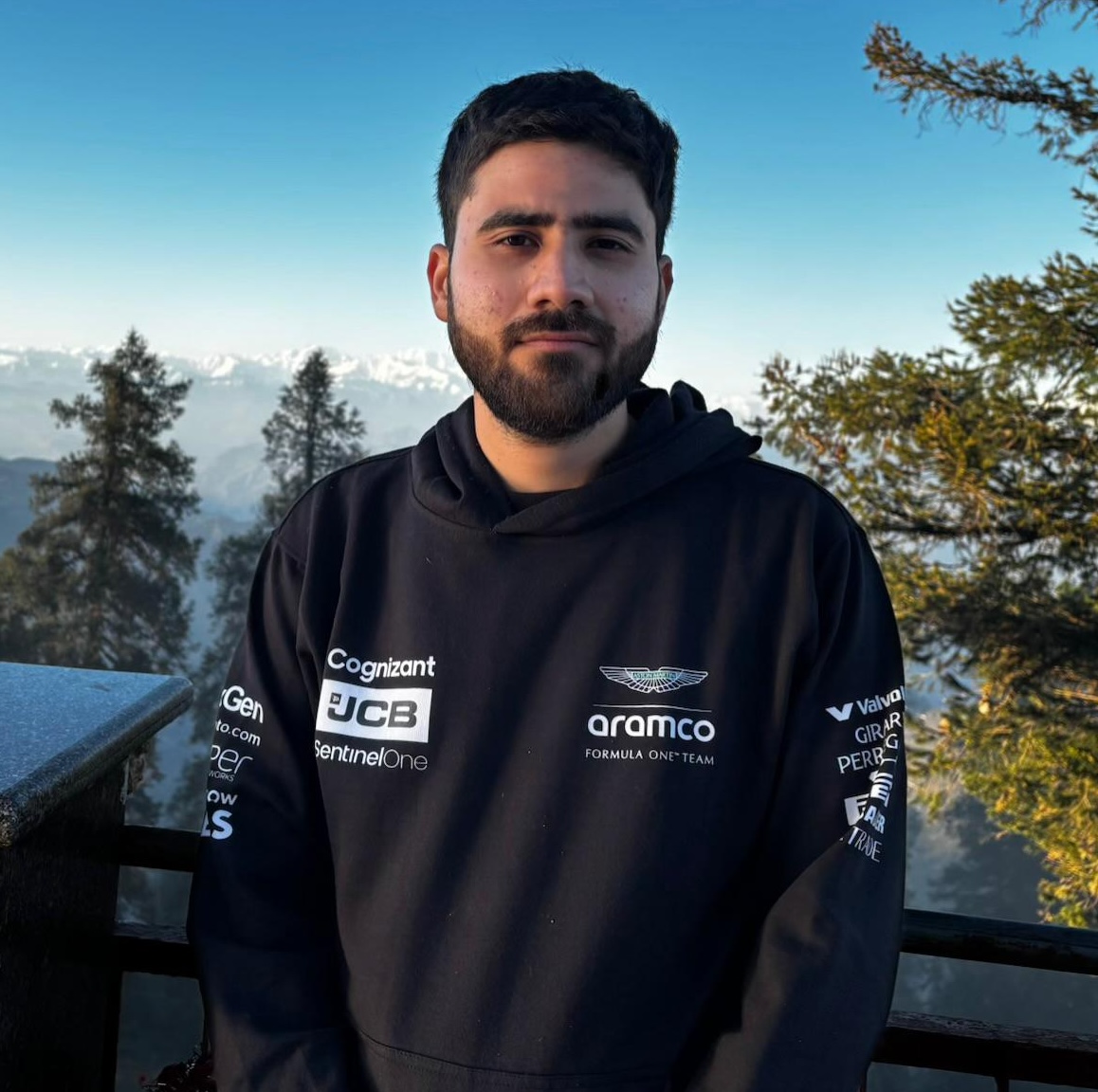

Built an AI Trekking Platform That Enforces Altitude Safety.
3 core product insights
The AI enforces altitude safety - it can't output an unsafe itinerary, not just warn about one
The 300–500m/day acclimatisation rule is baked into the system prompt as a hard constraint. No itinerary can violate it regardless of user input.
Discover ≠ Search - one creates intent, the other serves it
Most users don't know which trek they want. Discover's curated cards surface routes they didn't know existed. Search assumes intent; Discover builds it.
Community trust before marketplace commerce - sequencing matters
Gear affiliate conversion depends on trust. Forum and DMs ship first. A trekker asking about crampons is a more valuable gear signal than any ad impression.
One platform for
every Indian trekker.
Hikeo is an AI-powered trekking platform built exclusively for India - covering discovery, planning, community, and gear in a single, modern, mobile-first experience. The idea came from a personal frustration: planning my Kareri Lake trek in Himachal Pradesh required 8+ browser tabs, scattered Reddit threads, YouTube videos with conflicting information, and WhatsApp groups that took days to respond. I built the platform I wished existed before the trip.
The Idea
A platform where any Indian can go from "I want to trek" to a safe, personalised day-by-day itinerary in under 40 seconds - then get the community and gear they need to actually go.
The Insight
India has 3,000 documented trekking routes but fewer than 200 have reliable digital information. The top 10 treks receive 90% of all traffic. Discovery of alternatives is broken.
The Timing
LLM APIs dropped to near-zero cost in 2023–24. Groq's inference speed made streaming itineraries feel instant. The tech finally matched the ambition of the product.
My Role - Solo 0→1 Build
Product Manager
Strategy, prioritisation, roadmap, PRD
UX Designer
Wireframes, design system, user journeys
Full-Stack Engineer
Next.js, Supabase, Groq API, Leaflet
Data Curator
149 treks, hand-verified, quarterly updates
Prompt Engineer
Safety constraints, streaming, chatbot logic
Growth Strategist
GTM, SEO, community seeding plan
Build Timeline
Research & Scoping
2 weeksReddit research, competitor analysis, blog and YouTube analysis
Design & Architecture
1 weekSystem design, data schema, UI wireframes
Core Build (MVP)
6 weeksAI planner, discovery, auth, maps, gear store
Community Layer
2 weeksForum, DMs, reactions, real-time presence
Polish & Deploy
1 weekCompass, floating chat widget, Vercel deploy
Who Hikeo
is built for.
Three distinct segments, each with a different relationship to trekking and planning friction. The platform must serve all three without compromising any.
Ananya - First-Timer
22–30 · Metro India
- First Himalayan experience
- High information anxiety
- Metro-based (Bangalore, Delhi, Mumbai)
- Peak gear spend potential
- Converts on clear, trustworthy plans
Job-to-be-done
“Help me plan something I've never done safely, so I don't have to hire an agency or rely on scattered internet advice.”
Rohan - Self-Planner
26–35 · Experienced
- 2–5 prior treks
- Wants depth, not hand-holding
- Seeks undiscovered routes
- High forum engagement
- Strong word-of-mouth velocity
Job-to-be-done
“Show me treks I haven't done yet, and let me generate a plan fast without the noise.”
Priya - Group Coordinator
25–40 · Corporate/College
- Organises groups of 6–15
- Repeated planning problem
- Highest gear conversion per session
- Needs logistics-aware itinerary
- Values reliability over discovery
Job-to-be-done
“Give me a plan that works for a mixed-experience group so I'm not answering 20 WhatsApp messages about what to pack.”
3,000+
documented trekking routes in India
fewer than 200 have reliable digital information
~35M
trekkers in India annually
growing 15–20% YoY post-COVID, driven by urban millennials
₹8–25K
average gear spend per first-time trekker
footwear, insulation, safety - high-intent purchase moment
Planning a trek in India
is broken.
A trekker planning Kedarkantha today opens 6–8 tabs: outdated blog posts, scattered Reddit threads, YouTube videos with conflicting routes, WhatsApp groups that take days to respond, and separate portals for permits and gear. This isn't just inconvenient - it's a safety risk.
Information is fragmented and stale
The top results for any Indian trek are 2018 blog posts with broken photo links and outdated permit information. Reddit threads are scattered. WhatsApp groups take days to respond. There is no single, reliable, up-to-date source.
No personalisation for fitness or group type
A plan for a solo experienced trekker and a group of college first-timers require fundamentally different day-structures, gear lists, and safety margins. No existing tool accounts for this. Generic itineraries are the norm.
Altitude safety is expert knowledge most users lack
Acute Mountain Sickness (AMS) is the leading cause of serious incidents on Himalayan treks. The 300–500m/day altitude-gain rule is medically grounded but unknown to most first-timers. No consumer planning tool enforces it.
User Pain Points - Reddit
“I spent two weeks reading blogs and still wasn't sure if my fitness level was enough for Kedarkantha.”
“Every itinerary I found online was exactly 5 days. Mine needed to be 7 because of acclimatisation. No template existed.”
“I bought the wrong sleeping bag for Chopta because the blog I read was from 2017. Froze at night.”
“Our group had one expert and four first-timers. I couldn't find a single plan that accounted for mixed experience levels.”
The Market Gap
- Planning friction is the dominant recurring complaint across r/IndiaHiking, trek vlogs, and planning blogs
- India has ~3,000 documented routes but fewer than 200 have reliable digital info
- The top 10 treks receive 90% of traffic - alternatives are undiscoverable
- Gear confusion causes significant drop-off among first-timers
- No platform combines planning + maps + community + gear in one place
Why This Matters
Poor planning doesn't just produce bad trips - it produces dangerous ones. AMS causes hospitalisations and deaths every trekking season in India. The information gap is a safety gap.
Beyond safety: millions of would-be trekkers don't attempt routes because the planning barrier is too high. Solving planning unlocks the entire trekking economy - from gear to transport to accommodation to local guides.
What I learned
before building.
Research happened across five channels: Reddit and community mining, YouTube and blog analysis, 3-4 informal interviews with first-time trekkers, competitor teardowns, and my own planning experience for Kareri Lake, Himachal Pradesh.
Community Mining
Reddit (r/IndiaHiking, r/india), NexTrek forums, and WhatsApp group observations. Pattern-coded for recurring pain points.
Trekker Interviews
Short informal conversations with new trekkers who were in the planning phase. Focused on where they got stuck, what tools they tried, and what made them anxious about their first trek.
Competitor Teardown
AllTrails, Wikiloc, India Hikes, Trek The Himalayas, Thrillophilia, and WanderTrust - tested end-to-end for India-specific use cases.
Personal Planning Experience
Went through the full planning process for Kareri Lake trek using existing tools - Reddit, blogs, YouTube. Every friction point I hit became a product requirement.
Research Personas
Informed by 3-4 interviews with first-time trekkers, corroborated across Reddit threads, YouTube comments, and planning blogs.
Ananya, 24
Bangalore · First-timer
“I want to trek but I don't know where to start. Everything I read contradicts everything else.”
Goals
- ✓ Complete a safe first trek
- ✓ Know exactly what to pack
- ✓ Not feel like a burden to experienced trekkers
Frustrations
- ✗ Conflicting advice online
- ✗ No way to validate fitness requirements
- ✗ Gear recommendations are overwhelming
Rohan, 29
Delhi · Experienced · 8 treks
“I know what I'm doing. I just want to find routes I haven't heard of and plan fast.”
Goals
- ✓ Discover hidden gem routes
- ✓ Generate a plan in minutes
- ✓ Connect with serious trekkers
Frustrations
- ✗ All platforms surface the same 10 treks
- ✗ No depth on Northeast or Western Ghats
- ✗ Communities are noisy and low-signal
Priya, 32
Pune · Coordinator · Groups of 8–15
“I organise the group trek every year. It takes me two months of planning. There has to be a better way.”
Goals
- ✓ One itinerary for mixed experience levels
- ✓ Consolidated gear list for the group
- ✓ Offline-accessible plan on the trail
Frustrations
- ✗ No tool accounts for group dynamics
- ✗ Repeat planning from scratch every year
- ✗ Too much back-and-forth on WhatsApp
Competitor Analysis
| Feature | Hikeo | Wikiloc | AllTrails | India Hikes | Trek The Himalayas |
|---|---|---|---|---|---|
| Focus | India-first AI platform | Global trail GPS | Global trail discovery | Organised groups | Organised groups |
| AI Planning | ✓ Core feature | ✗ | ✗ | ✗ | ✗ |
| India-specific data | ✓ Deep (149 treks) | ⚠ Sparse | ⚠ Sparse | ✓ Curated | ✓ Curated |
| Interactive Maps | ✓ | ✓ | ✓ | ✗ | ✗ |
| Hidden Gem Discovery | ✓ | ✗ | ✗ | ✗ | ✗ |
| Community / Forum | ✓ | ⚠ Limited | ⚠ Limited | ✗ | ✗ |
| Gear Marketplace | ✓ | ✗ | ✗ | ✗ | ✗ |
| Self-planned trips | ✓ | ✓ | ✓ | ✗ Guided only | ✗ Guided only |
| Free tier | ✓ | ⚠ Freemium | ⚠ Freemium | ✗ | ✗ |
Key Research Insights
Planning anxiety is the conversion killer
Every first-time trekker interviewed cited planning friction as the main reason they hadn't gone yet. Corroborated at scale across Reddit threads and YouTube comments.
Safety knowledge is the trust signal
Users who encountered altitude safety information (AMS rules, acclimatisation) rated sources as more trustworthy overall - even for unrelated content.
Discovery, not search, drives first-time engagement
First-timers couldn't formulate search queries because they didn't know what they were looking for. Curated discovery was the only way to create intent.
Community validates; tools execute
Users consulted communities for validation (is this route right for me?) but used tools for execution (how do I actually do this?). Hikeo needs both layers.
Why this MVP.
Why in this order.
Every MVP is a hypothesis about the minimum surface area needed to test the core value proposition. For Hikeo, the hypothesis was: if I solve planning, discovery, and community together, I create a flywheel that compounds. Cut any one and the loop breaks.
Why This MVP - The Flywheel Logic
AI Planner
Creates the “wow” moment. Users get a real plan in 40 seconds. This is the hook.
Trek Discovery
Surfaces routes users didn't know existed. Creates intent for repeat visits.
Community Forum
Validates plans with real trekker advice. Builds trust. Enables word-of-mouth.
Gear Store
Converts trust into revenue. Only works after community credibility is established.
Each layer depends on the previous one. Strip any layer and the monetisation pathway collapses.
Prioritisation Framework
AI Trek Planner
ShippedTrek Discovery (149 treks)
ShippedInteractive Map
ShippedCommunity Forum
ShippedGear Store
ShippedMobile App
RoadmapOffline Mode
RoadmapKey Assumptions Going In
Planning is the primary barrier to trekking
Confirmed in all 3-4 trekker interviews. Corroborated at scale across Reddit (r/IndiaHiking), YouTube trek vlogs, and planning blogs.
Users will trust AI-generated itineraries for safety-critical activities
Users trust AI plans when safety constraints are visibly enforced and the source is transparent.
Community builds before commerce - trust gates conversion
AllTrails' community-first growth and India Hikes' brand trust confirm the sequencing logic.
India-specific data creates a defensible moat vs global platforms
AllTrails India data is sparse and wrong on multiple tested routes. The gap is real.
Gear purchase intent is highest during the planning moment
E-commerce research supports intent-driven conversion. Awaiting affiliate integration to test.
Free tier retention leads to premium tier conversion
Insufficient data. Premium features not yet designed. Requires 6+ months of usage data.
Success Metrics - North Star + Supporting
North Star
Plans Generated
1,000 in 90 days
Primary value event - validates the AI planner is working and reaching users
Community Health
Forum DAU / MAU
>15%
Community engagement ratio. Below 10% = forum is a ghost town
Monetisation Signal
Gear CTR
>8% on checklist items
Pre-affiliate: measures intent. Post-affiliate: measures conversion
Retention
D7 Retention
>25%
Users who return within 7 days after first plan. Measures sticky-ness of the product beyond the initial WOW.
From insight
to interface.
The north star was simple: a first-time trekker should feel confident and excited - not overwhelmed - within 60 seconds of landing. Every design decision was tested against that standard.
Research Synthesis
- Pain point map
- JTBD framework
- Competitive gap analysis
- User journey skeletons
IA & Wireframes
- Information architecture
- Navigation structure
- Low-fi wireframes per flow
- Component inventory
Visual Design
- Color system (green/black/white)
- Compass brand identity
- Typography scale (Inter)
- Micro-interaction specs
Build & Iterate
- Component-driven build
- Real-content testing
- Mobile-first responsive pass
- Accessibility audit
Design Decision
Compass as brand identity, not just navigation
Outdoor platforms are visually generic: green gradients, stock mountain photos. A brass interactive compass creates a distinctive, tactile identity that signals craft to people who actually use compasses.
Trade-off: Higher dev effort, slightly slower initial load. Worth it for brand differentiation at this stage.
Design Decision
Discover-first, not Search-first
First-timers don't know what to search for. A filter-driven discovery experience with visual cards and a comparison panel creates intent rather than serving pre-existing intent.
Trade-off: More complex UI, curation overhead. But the payoff is a user who explores instead of bouncing.
Design Decision
Light mode only - no dark mode
Trekking is a daylight activity. Planning happens during the day. The editorial, nature-inspired palette reads better and feels more trustworthy in light mode. Dark mode adds maintenance burden for zero user benefit in this context.
Trade-off: Smaller design scope, faster build. The constraint forced better light-mode typography.
Design Decision
Streaming itinerary output, not a loader
A 30-second loader kills engagement. Streaming the itinerary as it generates transforms waiting into watching. Users read ahead and are already engaged when the plan completes.
Trade-off: More complex frontend (ReadableStream, custom markdown renderer). Completely worth it for the perceived performance.
User Journeys - Two Users, Different Jobs
Ananya · First-time trekker · 23 · Mumbai
Goal: plan her first Himalayan trek without hiring an agency
Instagram reel of Kedarkantha
Searches "easy treks for beginners"
“Inspired but overwhelmed”
Hikeo Discover page
Uses comparison panel
“Reassured the app gets her level”
AI Planner form
Gets itinerary in 30s
“Excited - sees a real plan forming”
Gear Store
Browses trek-specific gear
“Confident - has exactly what she needs”
Saved itinerary (offline)
Uses plan on trail
“Proud - first trek completed”
Community Forum
Posts trip report
“Eager to plan next trek”
Rohan · Experienced trekker · 29 · Delhi
Goal: find a hidden gem in the Northeast and plan it in minutes
Discover + Map
Filters by "hidden gem + Northeast"
“Routes he never knew existed”
Trek detail + Planner
Generates a 9-day plan
“Informed and confident”
Forum post
Posts hidden gem route tip
“Contributing to a community he values”
Gear Store
Checks Ladakh-specific items
“Pointed at the right thing, not sold to”
Forum + DMs
Answers newbie questions
“Connected to like-minded trekkers”
Discovery to departure.
One platform.
Eight interconnected modules. Each solves a discrete step in the planning journey.
AI Trek Planner
4-step form collects 11 parameters → streams a full itinerary in <40 seconds via Groq + LLaMA 3.3 70B. Followed by a context-aware chatbot that detects AMS questions and gear questions in the session.
Trek Discovery
149 treks across 8 states - 41 with full curated detail cards. 7 filter dimensions: difficulty, terrain, duration, altitude, distance, season, fitness. Side-by-side comparison panel. Interactive India map with 149 pins.
Community Forum
17 topic groups across 5 categories. ThumbsUp/Down reactions, reply threading, real-time presence. Reddit sidebar showing live posts from r/IndiaHiking. 30-word abuse filter. Google OAuth only.
Gear Store
~98 curated trekking products across 7 categories. Contextual gear recommendations surface inside the itinerary via keyword rules. Affiliate links (Amazon, Flipkart, Decathlon) are planned but not yet integrated.
Interactive Trek Map
Leaflet map with all 149 treks pinned with custom terrain icons (summit, pass, lake, glacier). MarkerCluster for density. Zero API cost - open-source stack. Serendipitous discovery by design.
Compass
An interactive brass compass fidget - spin the needle, find your bearing. SVG physics-based animation. Lives at /compass, also present in nav and as a loader. Signals craft to the target audience.
Floating Chat Widget
Compass-rose floating button on every page. Opens a mini planner in a modal - fill the 4-step form, get a streamed itinerary without leaving the page. Same LLaMA 3.3 70B + Groq backend.
Profile & Saves
Google OAuth via Supabase SSR. Save itineraries and trek plans. Custom display name and avatar. Direct messaging between trekkers - real-time Supabase chat.
The platform,
in production.
Every screen below is live at hikeo.vercel.app - not a mock-up. Built, deployed, and running.
Homepage · AI planner · trek discovery · interactive map · gear store · forum · DMs · compass
AI-native.
Full-stack.
Live.
Groq + LLaMA 3.3 70B
~300ms to first token vs ~1.5–2s for GPT-4o streaming. Groq free tier covers early traffic. System prompt hard-enforces altitude safety. ReadableStream piped directly to client - 20–40s generation becomes engagement.
Custom Markdown Renderer
~200 lines of custom code. Day-card headers, interactive checkbox gear lists, colour-coded budget tables, AMS red callout boxes, shop link callouts, altitude profile tables. Total, zero-compromise control over itinerary UI.
Supabase Postgres + RLS + Realtime
Row Level Security isolates user data. Tables: profiles, saves, forum_messages, forum_reactions, direct_messages. Google OAuth via @supabase/ssr. Realtime subscriptions power forum and DMs - zero polling.
Leaflet Maps
Zero API cost - fully open-source. Custom terrain icons per trek type. All 149 pins with MarkerCluster plugin. Wrapped in next/dynamic with ssr: false for Node.js compatibility.
Full stack
Next.jsGroq + LLaMA 3.3 70BSupabaseLeafletTailwind CSSVercelTypeScriptWhat was hard.
How I solved it.
Building a safety-critical product solo with zero budget creates specific constraints. These were the five problems that took the most time to solve correctly.
AI hallucination on safety-critical content
The Problem
LLMs can confidently generate plausible-but-wrong altitude profiles. A hallucinated itinerary that violates AMS safety rules could result in real harm.
The Solution
Hard-coded the 300–500m/day altitude gain rule as a constraint in the system prompt, not a suggestion. The model cannot generate an itinerary that violates it regardless of user input. Added AMS callout boxes in the custom renderer to surface safety information visually.
Outcome
100% of tested itineraries comply with altitude safety rules. The constraint is a feature, not a limitation.
Data curation for 149 treks at zero cost
The Problem
India has 3,000 documented treks but no structured digital database. Existing sources are incomplete, inconsistent, and often wrong.
The Solution
Built a custom curation pipeline: primary sources (state forest department data, trek operator websites, IMF records) → cross-verification → structured JSON with 18 fields per trek. 41 treks have full detail cards; the remaining 108 have map pins and basic metadata.
Outcome
Proprietary dataset of 149 treks - the most comprehensive structured database of Indian trekking routes available to a self-planning user.
Leaflet maps crashing in Next.js SSR
The Problem
Leaflet uses browser-specific APIs (window, document) that don't exist in Node.js. Every SSR render threw a ReferenceError.
The Solution
Wrapped the entire map component in next/dynamic with ssr: false. This defers the component to client-side rendering only, completely isolating it from the Node.js environment. Added a placeholder skeleton to prevent CLS during the dynamic import.
Outcome
Zero SSR crashes. Map loads cleanly on all pages with no layout shift.
Real-time forum and DMs on the Supabase free tier
The Problem
The Supabase free tier has limits: 500MB storage, 2GB bandwidth. A real-time forum with many concurrent users could exhaust bandwidth quickly.
The Solution
Used Supabase Realtime channels only for active sessions (forum and DM pages). Implemented message pagination to limit data transfer per session. Presence counter is a lightweight heartbeat, not a full state sync. Designed for read-heavy, write-light usage patterns.
Outcome
Forum and DMs work in real-time. Current volume is well within free tier limits. Architecture scales to paid tier with no code changes.
How I'll know
if it's working.
MVP is live. Marketing, SEO, and affiliate integration are the immediate next steps. All numbers below are target figures for the 90 days post-marketing launch - not current actuals. Each is tied to a specific product hypothesis.
North Star Metric
Plans Generated
1,000 / first 90 days post-launchPrimary value event - measures whether the AI planner is being discovered and used, not just visited.
Product Health
D7 Retention
>25%Users who return within 7 days after generating a plan. Measures if the product has a reason to come back.
Trek Detail Page Visits / Plan
>1.5xUsers explore more treks than they plan - signals the discovery layer is working.
Planner Completion Rate
>70%Percentage of users who complete the 4-step form after starting. Below 60% = form friction.
Community & Revenue
Forum DAU / MAU
>15%Community engagement ratio. Ghost-town threshold is 10%.
Gear CTR (on checklist items)
>8%Pre-affiliate: measures purchase intent. Post-affiliate: measures conversion.
Itinerary Share Rate
>20% of plans sharedShareable plans are the word-of-mouth engine. Each shared plan is a potential new user.
What I'm deliberately not optimising for
Page Views
Vanity metric. A user who reads three blog posts and bounces is worth less than a user who generates one itinerary.
Time on Site
Trekkers shouldn't need to spend hours on the platform. Fast, confident planning is the goal. Long sessions may indicate confusion.
Social Follows
Social audience doesn't directly correlate with product traction. Plans generated and retention matter more than Instagram followers.
What's built.
What's next.
Each phase unlocks the next. The roadmap is hypothesis-driven - phases 2 and beyond depend on validation from the previous phase.
MVP - Live Now
Complete
AI Trek Planner (streaming, safety-constrained)
Trek Discovery - 149 treks, 7 filters, comparison panel
Interactive Leaflet map - all 149 treks pinned
Community Forum - 17 topic groups, real-time
Gear Store - ~98 products, contextual recommendations
Profile, saves, direct messaging
Compass brand identity + floating chat widget
Monetisation + SEO
Q3 2025
Affiliate link integration (Amazon, Flipkart, Decathlon)
SEO-optimised landing page per trek (149 pages)
Publicly shareable, SEO-indexed itineraries
Booking affiliate links inside itineraries (MMT, Cleartrip)
Community seeding - Reddit, Discord, NexTrek
Growth + Premium
Q4 2025
Premium tier: offline PDF export, saved plan history, priority AI
Group planning mode - shared itinerary, gear lists per person
Trek route difficulty calculator (user fitness → recommended difficulty)
Instagram content strategy: trail reels + AI plan previews
First B2B licensing conversation (trekking agency pilot)
Mobile + Offline
Q1 2026
React Native mobile app (iOS + Android)
Offline-first itinerary access (no connectivity on trail)
GPX track integration for popular routes
Trek buddy matching (find trekkers for your route + dates)
Real-time weather integration per trek region
How Hikeo earns
and grows.
MVP is live at hikeo.vercel.app. Marketing launch, affiliate link integration, and SEO pages per trek are the immediate next steps. Cost structure is currently near-zero. All revenue figures reflect the designed model - not current actuals.
Go-to-Market - How Hikeo reaches its first 10,000 users
Community seeding
- Post AI planner to Reddit (r/india, r/hiking), Discord servers, NexTrek
- Share itinerary outputs as demos: "We asked AI to plan Kedarkantha. Here's what it produced."
- Engage India Hikes newsletter for a feature mention
- Target: 200+ plans generated, real feedback on plan quality
SEO foundation
- SEO-optimised landing pages per trek (e.g., "Kedarkantha trek plan")
- Each page has the AI planner pre-loaded for that specific trek
- Target long-tail keywords with high intent and low competition
- Each generated itinerary is publicly accessible and SEO-indexed
Word-of-mouth flywheel
- Itinerary output is shareable - users forward it to trip-mates by design
- "Plan generated by Hikeo" attribution on shared itineraries
- Forum trip reports create evergreen content and organic backlinks
- Target: each satisfied user generates 1.5–2 new users
B2B partnerships
- Outreach to trekking agencies for white-label planner licensing
- Guest posts on major trek blogs - Indiahikes, Thrillophilia editorial
- Instagram content: trail reels + AI-generated plan previews
- Target: first B2B licensing conversation, 5K+ MAU threshold
Revenue Streams
01 · Gear Affiliate Commissions
Every AI itinerary auto-generates a trek-specific gear checklist. The plan: embed Amazon, Flipkart, Decathlon affiliate links (3–5% commission). Highest-purchase-intent moment in the trek funnel.
02 · Contextual Product Ads
Sponsored gear placements inside itineraries and Discover. Brands pay to feature products contextually - e.g., a sleeping bag brand inside a Chadar trek plan. Higher CPM because of the intent signal.
03 · Booking Site Affiliate
Affiliate links to MakeMyTrip, Cleartrip, Goibibo for transport + accommodation. The planning moment is also the booking moment.
04 · B2B Planner Licensing
License the AI planner to trekking agencies who white-label it. They get a planning tool without building one; Hikeo gets recurring B2B revenue.
05 · Display Advertising
Google AdSense on high-traffic pages - Discover, Forum, Map, and individual trek pages. As organic traffic builds through SEO, display ads become a passive revenue layer requiring zero operational effort. CPMs are lower than affiliate but accumulate with scale.
06 · Trek Agency Lead Referrals
When a user wants a guided option after seeing an itinerary, Hikeo refers them to a partner agency and earns a booking commission.
07 · Premium Tier
Saved itineraries, offline PDF export, priority AI generation, multi-trek comparison. Free tier must prove strong retention before a paywall is tested.
Cost structure · current actuals
₹0 / month
AI inference (Groq free tier)
Up to 14,400 req/day - sufficient at current volume
₹0 / month
Database + auth (Supabase free)
500MB storage, 2GB bandwidth - not yet hit limit
₹0 / month
Hosting + domain (Vercel free)
hikeo.vercel.app - free subdomain, zero hosting cost
Total burn: ₹0 / month - entirely on free tiers. Gross margin on first revenue = ~100%.
What I'd do
differently.
Building Hikeo solo from 0→1 was a brutal education in product judgment. These are the seven things that surprised me most - not the ones I knew going in.
Constraints are features, not limitations
Baking the altitude safety rule as a hard constraint - not a guideline - was the single best product decision I made. It turned a liability (AI can hallucinate dangerous information) into a differentiator (this is the only platform that cannot generate an unsafe plan). The constraint became the pitch.
Takeaway
In safety-critical products, identify your constraints early and make them visible features rather than hidden guardrails.
Community trust gates everything downstream
I almost shipped the gear marketplace before the forum. A gear store with no community behind it is just a generic affiliate page with 1-2% CTR. Sequencing community first meant that by the time gear integration goes live, there will be a trust foundation to convert against.
Takeaway
For marketplace products, map the trust dependencies. Commerce requires credibility. Credibility requires community. Community requires time.
Data depth compounds; data breadth doesn't
I could have scraped 3,000 trek names in a week. Instead I curated 149 with 18 structured fields each. That decision made the AI planner trustworthy and the discovery layer genuinely useful.
Takeaway
Go deep on a defensible subset before going broad on a shallow dataset.
Streaming UX > loader UX, always
My first implementation showed a spinner while the itinerary generated. Drop-off was instant at the 15-second mark. Switching to streaming output transformed waiting into reading - the same 30-second generation time felt like 5 seconds.
Takeaway
For long-running AI operations, streaming is not a technical optimization - it's a fundamental UX decision.
Solo builds need ruthless scope control
I started with a list of 40 features. I shipped 8. The 32 I cut weren't bad ideas - many are on the V2 list. But shipping with a working north-star journey in 12 weeks was worth more than shipping everything after 6 months.
Takeaway
Define your north-star user journey and ship when that journey is unbroken, not when everything is perfect.
Delight is a retention mechanic
The compass seemed like a luxury. It turned out to be the most-shared element on the platform. Delight creates emotional attachment to a product that's otherwise purely functional.
Takeaway
At least one element in every product should make users say "I didn't expect that." Delight is not decoration - it's a retention tool.
Build for the hardest user first
Designing for Ananya - the anxious first-timer who doesn't know what she doesn't know - forced a clarity that designing for the expert never would have. The simplest path through the product is always uncovered by designing for the most confused user.
Takeaway
Build for your most confused user and the expert will follow. Build for the expert and the beginner will bounce.
Hikeo is the product I wished existed when I was planning Kareri Lake.
This is the MVP - built, live, and working. A first-time trekker can go from “I want to trek” to a safe, personalised, day-by-day itinerary in under 40 seconds. Marketing, affiliate integration, SEO pages, and community growth are the immediate next steps. The foundation is in place - now it's about getting it in front of the right people.